Rummy Guide: Turn a Wild Joker Into a Flexible Plan
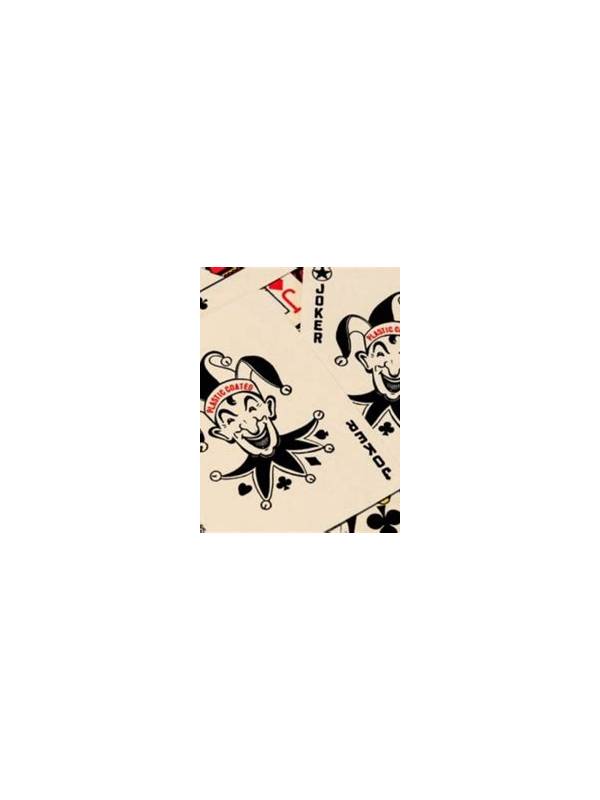
A wild joker can make an ordinary hand look promising, but it does not solve every problem. Its real value depends on where it can reduce uncertainty. A joker that completes a nearly finished sequence may be more useful than one used to rescue a scattered high-card group. The best approach is to treat it as a flexible resource with a job, not as an automatic excuse to keep every card.
Begin by separating your hand into confirmed groups, possible groups, and unconnected cards. Confirmed groups are already valid under the table rules. Possible groups contain a short gap, a pair, or a card that could connect in more than one direction. A lone card has no clear route. This simple inventory prevents the joker from being assigned emotionally to the most attractive card rather than to the most useful structure.
Next, ask whether you can create the required pure sequence without the joker. In many Indian rummy formats, that requirement matters more than a high score. If a natural sequence is incomplete by one card, protect the cards that could finish it and consider reserving the joker for a second sequence. If the pure sequence is already secure, the joker can usually reduce points or complete a group with better flexibility.
Do not ignore timing. Early in a hand, a joker can preserve several possibilities while you learn what is available. Late in a hand, its best use is often simpler: close the group that is closest to valid and discard the card with the least future value. A joker used in a speculative three-way plan may be less helpful than one that turns a nearly complete arrangement into a declaration-ready hand.
Finally, review the decision after the draw. If the joker remains attached to a group that has not improved, reassess it. Good play is not about keeping the joker forever; it is about converting flexibility into a clear structure at the right moment. Keep the rules, entry conditions, and spending limits of the platform in mind, and practice these evaluations in free or low-pressure settings before treating them as routine. One useful exercise is to deal a sample hand and assign the joker three different jobs. Compare which assignment leaves the fewest unsupported cards and which one preserves a natural sequence. The exercise shows why a joker’s value is contextual rather than fixed. It also helps you notice when you are keeping a card only because the joker makes it look interesting. Once the hand has a valid foundation, prefer a plan you can explain in one sentence. Clear reasoning makes later decisions easier when the next draw changes the balance.