Rummy Hand Planning With a Three-Column Sort
When a rummy hand looks messy, the first useful step is often not drawing a card but organizing the information already in front of you. A three-column sort gives every card a temporary home: confirmed groups, possible connections, and unassigned cards. The categories are simple, but separating them prevents a tempting pair from receiving the same confidence as a nearly complete sequence.
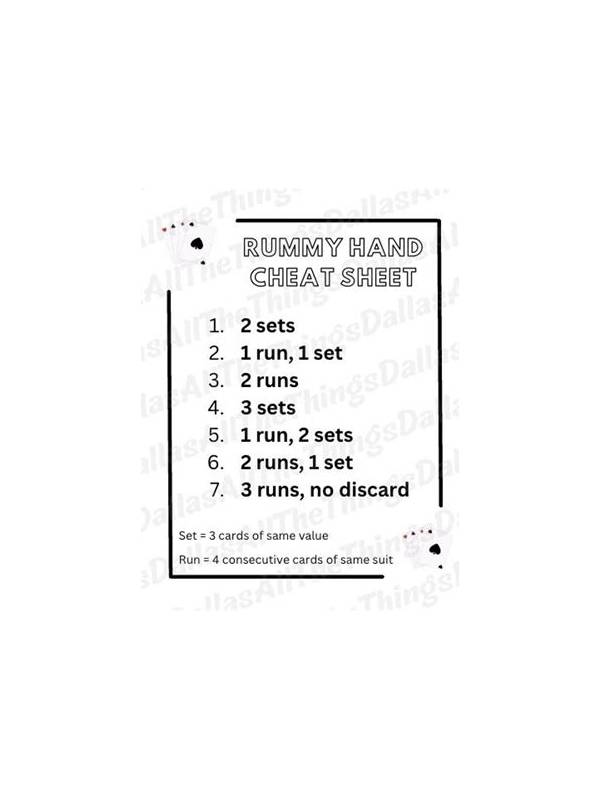
Start with confirmed groups. Put cards that already form a valid sequence or set in the first column, but keep them mentally available for rearrangement. A group is confirmed only when it satisfies the rules of the format you are playing. For example, a same-suit run may be useful as a sequence, while three cards of one rank may be a set if the suits are different. Do not label a group confirmed merely because it looks close.
Use the second column for possibilities. A connected pair, two cards with one gap, or a card that could join two different plans belongs here. Write down the missing rank or the alternative card that would make the idea work. This makes the cost of a draw visible. A possible plan needing one specific card is different from a plan that can accept several cards.
The third column is for unassigned cards. These cards are not failures; they are candidates for the next discard. Check their point value, whether they could help an opponent, and whether they support more than one possible arrangement. High-value unassigned cards usually deserve an earlier review, especially when they have no clear connection to the rest of the hand.
After every draw, repeat the sort quickly. Move cards between columns only when the evidence changes. A new card may turn a possibility into a confirmed group, or it may make an older plan less attractive by creating a stronger alternative. Avoid protecting a plan just because you noticed it first.
This method is also useful for reviewing practice hands. Pause before the first discard and explain why each card is in its column. If a card keeps moving between possibilities without a clear reason, your evaluation rule may be too vague. Add a deadline, such as one or two turns, for narrow plans. If the needed card does not arrive, release the plan and reassess.
The three-column sort does not predict the next card. Its value is more modest and more reliable: it turns an emotional impression into a visible list of commitments, options, and costs. That clarity can make your next discard calmer and easier to defend.