Rummy How-To: Explain a Rule Variant Before Play Starts
Rummy families often use similar words for different details. A joker may be treated differently, a declaration may require a particular structure, or scoring may change between tables. Explaining a rule variant before play starts is a practical form of preparation, not unnecessary ceremony.
Keep the explanation narrow. Begin with the three details most likely to affect a decision: the required declaration structure, the role of wild cards, and the scoring method. If the table uses a timer, mention that too. Avoid presenting a long speech about every possible exception. Players need the rules they will actually use in the upcoming game.
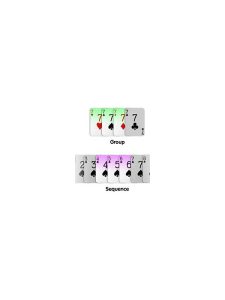
Use an example rather than an abstract warning. You might say, “In this format, a pure sequence is required, and a printed joker cannot replace a card in that group.” Then give a second example of an invalid declaration. Examples reveal how the rule works at the moment a player must act, which is more useful than a definition alone.
Ask each player to repeat the one rule that could surprise them. This is especially helpful when someone is learning or joining a familiar group for the first time. If the answer is uncertain, pause and verify the table’s agreed version before dealing. Do not settle a disagreement by relying on memory simply because play has already begun.
Finally, record the variant in one sentence on a score sheet or shared note. A written reminder keeps the table consistent and makes the next session easier to start. Rules should be clear before cards create pressure. A brief check protects the social side of the game as well as the accuracy of each declaration.
If the group discovers a disagreement during play, pause the hand at a natural point and restate the question precisely. Is the issue about what the rule says, or about what the group agreed to use today? Those are different issues. If no reliable answer is available, choose a temporary resolution that everyone accepts and write down the question for later verification. Do not quietly change the rule for one player only. A rules check is also a welcome signal. New players can ask questions before they feel embarrassed, and experienced players can confirm that everyone is using the same format. Keep the tone practical and avoid presenting a house preference as a correction of someone’s ability. When the explanation is complete, deal only after everyone has had a fair chance to raise a concern.