Rummy How-To: Pause Before an Attractive Draw
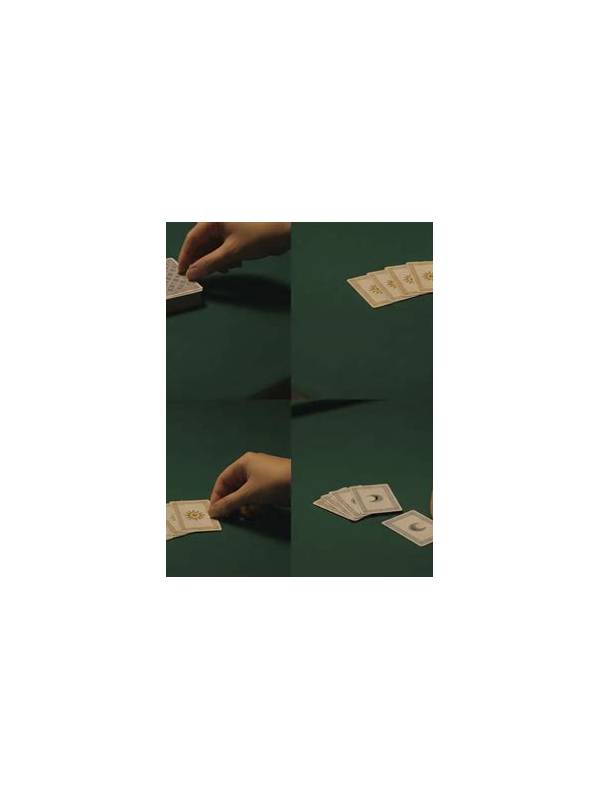
An attractive draw can create a different problem from a bad draw. A card that immediately fits one group may tempt you to stop evaluating the rest of the hand. Before committing, take a short pause and ask whether the improvement is local or structural.
Question one: What exactly does the card complete or strengthen? Name the group, sequence, or route rather than relying on the feeling that the card “looks good.” If the answer is clear, continue. If the card merely creates a pair or a distant possibility, its appeal may be visual rather than strategic.
Question two: What becomes weaker because you keep it? Every card occupies space and often requires a discard. Check whether the new card forces you to break a cleaner connection, retain a costly orphan, or carry two plans that compete for the same slot. A local improvement can be a poor exchange if it damages the rest of the hand.
Question three: What is the next decision after this one? A strong draw should usually make the following turn easier. If the card completes one group but leaves several unrelated cards and no sensible discard, it may have reduced flexibility. Conversely, a modest connector that improves two possible routes can be more valuable than a dramatic but isolated completion.
The pause should be brief. It is not an invitation to calculate every unseen card. Use the information available, compare the immediate structure with the full hand, and check the rules. If the draw clearly improves the hand and fits your limits, act. If it creates a difficult trade-off, label the uncertainty and choose the option with the better future decision.
Practise this routine with sample hands. For each attractive card, write the immediate benefit, the displaced card, and the next likely question. You will begin to notice recurring traps, such as overvaluing complete-looking pairs or keeping a high card because it is visually prominent.
A pause protects you from both excitement and regret. The purpose is not to reject lucky-looking cards. It is to make sure the card earns its place in the whole hand. Good draws are most useful when they improve structure, reduce uncertainty, and leave a clear next step.
If the pause repeatedly changes your choice, note the question that caused the change. That question may be the most valuable part of the practice because it identifies where your first impression needs a stronger check.