Rummy How-To: Run a Blind Discard Exercise
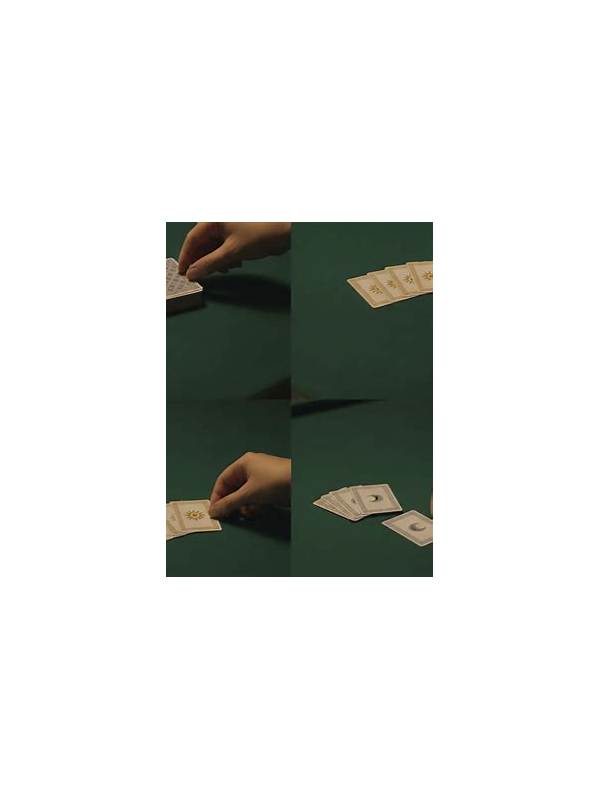
A blind discard exercise removes the excitement of the next card from practice. Its purpose is to improve the quality of the decision before the result is known. You can do it with a physical deck, a saved hand, or a written list of cards.
Start with a legal opening hand and hide the future draws. Sort the cards into temporary groups, but do not rearrange them repeatedly. Select two possible discards and write a reason for each. Consider current group value, future connections, point exposure, and how much information the discard gives away. Then choose one without looking at what would have happened next.
After recording the choice, reveal only the next card or next event. Ask whether the original reasoning still made sense with the information available at the time. Do not label the decision good or bad solely because the revealed card helped one route. A narrow guess can succeed, and a broad plan can miss. The exercise measures the process, not the luck of the result.
Repeat the hand for three or four turns. At each turn, write the current jobs of the cards before selecting a discard. If your chosen discard changes because of new information, record exactly what changed. This separates a reasonable plan adjustment from a reflexive reaction to every new card.
Use a simple review scale afterward. Mark each choice as evidence-based, mixed, or impulsive. Evidence-based means you compared at least two candidates and named an exit. Mixed means the comparison was incomplete. Impulsive means the card was released or kept mainly because it looked high, low, familiar, or emotionally promising.
The exercise works best in short sessions. Three hands are enough to reveal recurring habits, such as protecting a pair without a deadline or ignoring the disposal cost of a draw. Choose one habit as the next practice target. Blind practice cannot predict the deck, but it can make your decisions more explainable before the deck supplies an answer.
You can vary the exercise by hiding the discard pile as well. In that version, make the choice using only your hand and the stated rules, then reveal the recent pile afterward and ask what extra evidence would have changed the decision. Another variation is to give two players the same hand but different turn positions. Comparing their notes shows how timing changes a reasonable discard. Keep the exercise recreational and stop if it becomes frustrating; the goal is clearer thinking, not perfect control over random cards.