
Rummy How-To: Separate Hand Shape From Hand Value
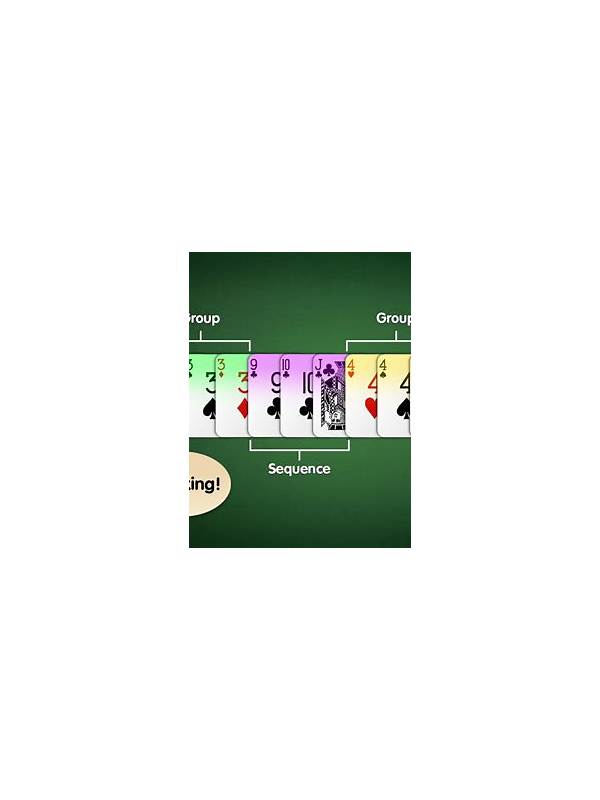
Hand shape describes how cards are arranged: pairs, sequences, isolated cards, and gaps. Hand value describes how useful that arrangement is right now. Confusing the two leads players to protect tidy patterns that have poor chances or discard messy cards that are surprisingly flexible.
Begin by describing the shape without judgment. You might have one pair, two connected cards, and three isolated cards. This neutral inventory prevents the visual grouping from making the hand seem stronger than it is. Then list the improvements each part needs and how many realistic routes remain.
Value depends on timing and the table. Early in a hand, a middle connector may have several possible improvements, even if it looks incomplete. Late in a hand, the same connector may be too slow. A pair can have good shape but low value if matching cards have appeared in the discard pile. A messy hand can have high value when several unseen cards improve different fragments.
Use the distinction when choosing a discard. Remove a card with poor value, not merely poor appearance. An isolated low card may be an excellent safe discard, while a visually separate middle card may be the best backup in the hand. Check both your own routes and opponents’ likely needs before deciding.
The distinction also helps after a pickup. A new card may make the hand look more organized but force you to break a stronger flexible plan. Ask whether the shape improved and whether the practical chance improved. If only the appearance changed, do not overrate the move.
Before a declaration, return to shape first, then verify value through legality. Every card must have a defined role, and the arrangement must satisfy the variant’s requirements. A shape-value review is quick once practiced and keeps visual satisfaction from replacing sound judgment. Practice by labeling sample fragments with both shape and realistic routes. This exposes neat-looking pairs that are weaker than messy connectors and keeps appearance from deciding the discard.
The distinction is also useful when explaining a decision to a new player. Say, “The shape is a pair, but its value is low because the matching cards are visible.” Or say, “The shape is incomplete, but its value is high because several neighbors work.” These sentences teach evaluation without promising certainty. They encourage attention to evidence and timing rather than to fixed card rankings.
That language also makes post-hand reviews more precise and less emotional.


