Rummy Safety: Create a Simple Session Exit Routine
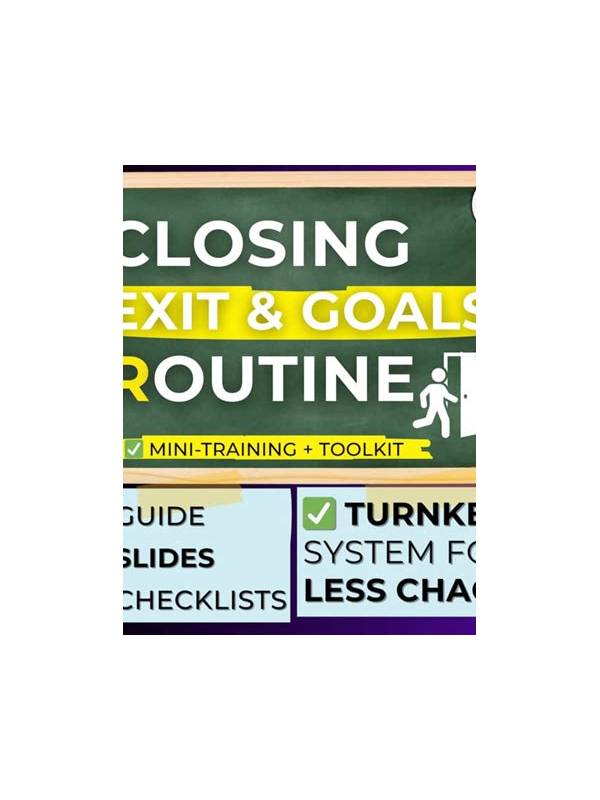
A session exit routine is a short sequence you follow whenever you finish playing. It prevents a surprising result, a pending transaction, or a tempting promotion from turning a finished session into an unplanned extension. The routine should be simple enough to use when tired.
Start with the boundary you set before playing. Check the clock, the number of hands, and any spending limit. If the boundary has been reached, exit even if the result feels unfinished. A stop point is a decision made in advance, not a judgment about whether the next hand might be better.
Next, review the account screen without making a new deposit or accepting a new offer. Confirm that the session status and any balance information look normal. If something is pending, record the reference shown by the service using a secure personal method. Do not repeat a request merely because the screen is slow.
Close active tables and sign out where appropriate, especially on a shared device. Do not save passwords in an unfamiliar browser or send one-time codes to anyone claiming to provide support. If you see an unfamiliar login, pause and use the platform’s verified security channel rather than a link in an unexpected message.
Make a one-line note about the session: stopped within boundary, felt rushed, or need to check a technical issue later. The note is for continuity, not self-criticism. If you felt pressure, fatigue, or frustration, schedule a longer break before considering another session.
Keep the routine separate from any urge to recover a loss. If the result is disappointing, an exit is especially important. Further play changes the amount of time and money at risk; it does not erase the earlier outcome. Choose rest, support, or a different activity instead.
Finally, put the device away for a defined period. Turn off unnecessary notifications and keep receipts or records private. A clean exit gives you a clear starting point next time and makes recreational play easier to keep within its intended limits.
Put the routine somewhere you can see it without opening a promotional page. A paper card near the device or a neutral calendar reminder is enough. Avoid reminders that include sensitive account details. If you repeatedly skip the exit routine, treat that pattern as information: shorten sessions, add a stronger barrier, or seek support before playing again.
An exit routine can be as short as boundary, account check, sign out, and break. Consistency matters more than detail. Test it once during a low-pressure practice session so you know where the relevant controls are before you need to leave quickly.