Rummy Safety Guide: Keep Session Money Separate From Daily Spending
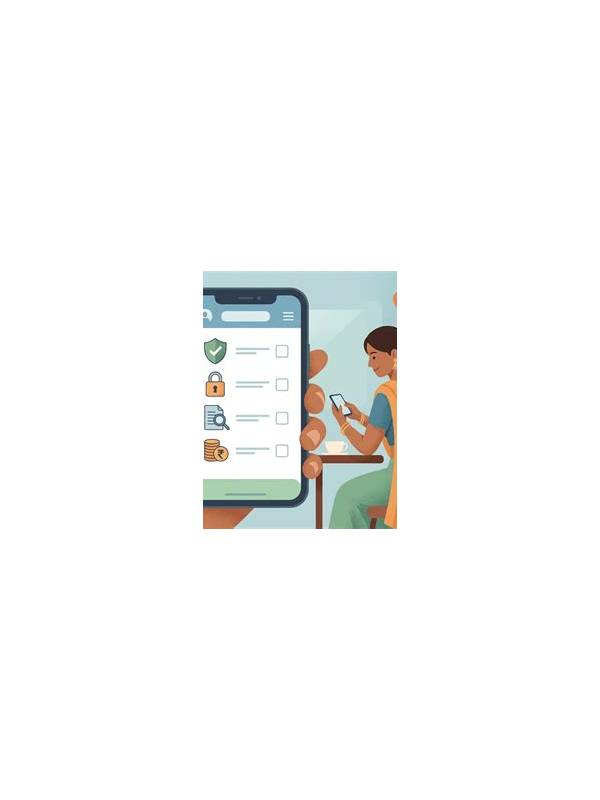
If a rummy platform allows paid play, a safer routine begins before the first table opens. Decide what amount, if any, is available for the session and keep it separate from money needed for food, bills, travel, or other essentials. This is a budgeting practice, not a promise of profit. Follow local laws and the platform’s age and eligibility rules.
The separation also makes review easier. When play money is mixed with ordinary spending, it becomes harder to tell whether a session was affordable or whether another expense quietly absorbed the loss.
Set the limit outside the game
Choose the session amount when you are calm and away from the table. Write it down or place it in a separate budget category. Do not base the amount on a previous win or on a plan to recover a loss. A limit is meaningful only when it is affordable to lose completely without affecting necessities.
Avoid emergency transfers
Once the session begins, do not add funds simply because the balance is low. Extra transfers make the original limit invisible and can turn a planned activity into an urgent one. If the platform offers deposit, spending, or loss controls, review them before playing. Use the strongest setting that fits your intentions and local availability.
Keep records simple
Record the starting amount, any entry or fee, and the ending amount. A short note is enough. The purpose is to observe the activity honestly, not to create complicated accounting. If tracking shows that sessions are becoming more frequent, more expensive, or emotionally difficult, pause and reconsider whether playing is appropriate.
Treat winnings carefully
A win does not expand your everyday budget automatically. Decide in advance whether winnings stay in the game, are withdrawn, or are left untouched for a later review. Avoid increasing stakes during a burst of confidence. Money that is available in an account can still be part of your risk exposure.
Use a stop signal
Stop when the planned amount is used, when the time limit ends, or when you notice pressure to break your own rule. Tell a trusted person if you are struggling to maintain limits, and seek local support for gambling-related harm when needed. Separating session money from daily spending creates a clear boundary; respecting that boundary is the essential part.
If you cannot create that boundary comfortably, choose free practice or do not play. The purpose of a limit is to protect ordinary life, not to make continued play feel justified. Rules and tools vary by service, so check official settings and local guidance before using them.