Rummy Safety: Protect Your Account on a Shared Network
A shared network can be convenient, but it reduces your control over who else is connected and how devices are maintained. Avoid signing into a gaming account on a public or borrowed device when possible. If you must use shared Wi-Fi, confirm that the connection name is genuine and avoid handling deposits, withdrawals, or sensitive profile changes there.
Use your own device with current operating-system and app updates. Lock the screen when you step away, and do not save passwords in a browser that other people use. Sign out at the end of a session and check that no verification message, recovery code, or account page remains open. Never let another person guide you through a sensitive action by remote screen sharing.
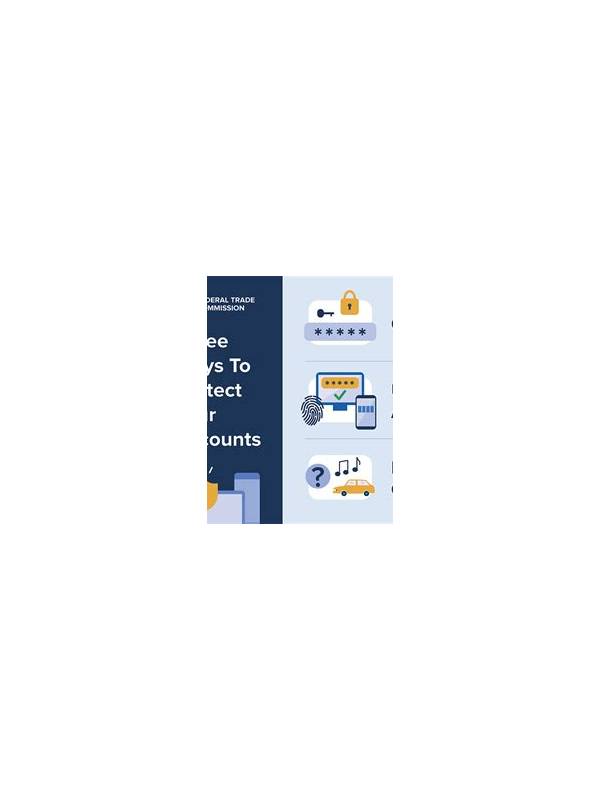
A unique password and available multi-factor protection are important. Enter credentials only on the verified service, not on a page reached through an unsolicited link. Support representatives should not ask for your password or a one-time code. If you suspect that an account was exposed, change the password from a trusted device and use the provider’s official security process.
Network safety does not prove that a platform is trustworthy. Review its privacy terms, location rules, identity checks, and financial conditions separately. Keep only the funds required for your planned activity and use any limits offered by the service. Do not install certificates, unknown profiles, or “helper” applications to make a game work.
These habits are useful beyond rummy. Treat a shared network as a place for low-risk browsing, keep private actions on trusted devices, and monitor account notifications. If anything seems unusual, stop, document the warning without exposing private data, and contact official support through a verified channel. When using a personal hotspot, protect the phone itself with a lock and keep its operating system current. Do not accept unexpected pairing requests or connect to unknown accessories while an account is open. Public charging points can also create uncertainty, so use your own charger or a trusted power source when practical. These precautions are simple, but they reduce the number of places where a password, session token, or private message can be exposed. When in doubt, close the session and review security from a trusted connection. Convenience is never more important than protecting an account that contains personal or financial information.