Rummy Safety: Keep Play Separate From Emergency Money
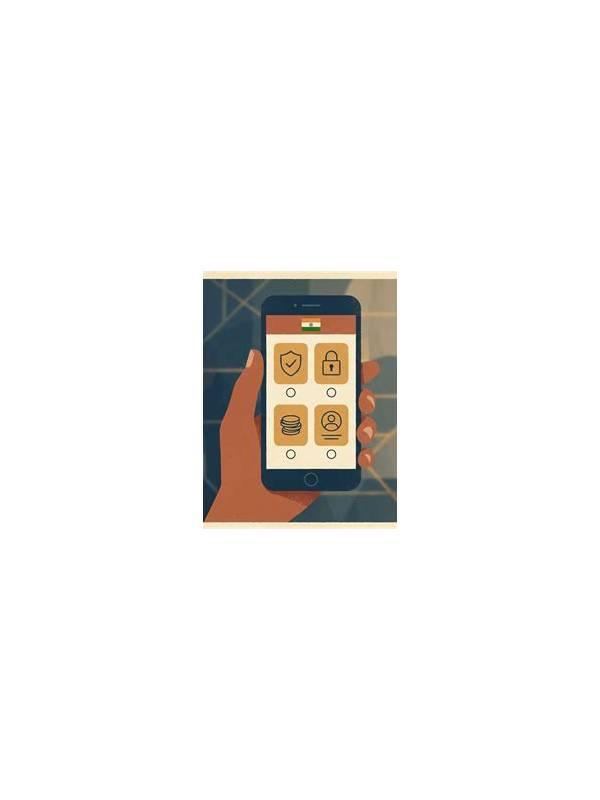
Money set aside for rent, food, medical needs, debt payments, or emergencies should never be treated as a rummy budget. Separating essential funds from recreational spending creates a clear safety barrier before a session begins.
Start by identifying the money that is unavailable for play. Include savings with a specific purpose, borrowed money, and funds that belong to another person. If losing the amount would create a practical problem, it is not a recreational budget. This rule is simple enough to use even when a session feels exciting.
If you choose to play, decide on a small amount from genuinely disposable money and a fixed time boundary. Do not add money because a hand went badly or because a bonus message creates urgency. A result cannot be repaired reliably by continuing, and a promotional offer may carry conditions that make its value different from cash.
Use account limits where available and keep transaction records private. Confirm payment requests through the official account area, and never send funds to a person who claims to be a moderator or support agent. If a platform pressures you to bypass a limit or share confidential information, stop and use a verified support channel.
Watch your behavior as well as your balance. Chasing, hiding play, borrowing, or feeling unable to stop are reasons to pause and seek support. A trusted person or qualified local service can help if the activity is becoming difficult to control.
The safest rummy session is one that remains optional. Essential money stays protected, limits are decided in advance, and stopping does not depend on whether the last hand was a win or a loss.