Rummy Session Opening Questions for Better Self-Checks
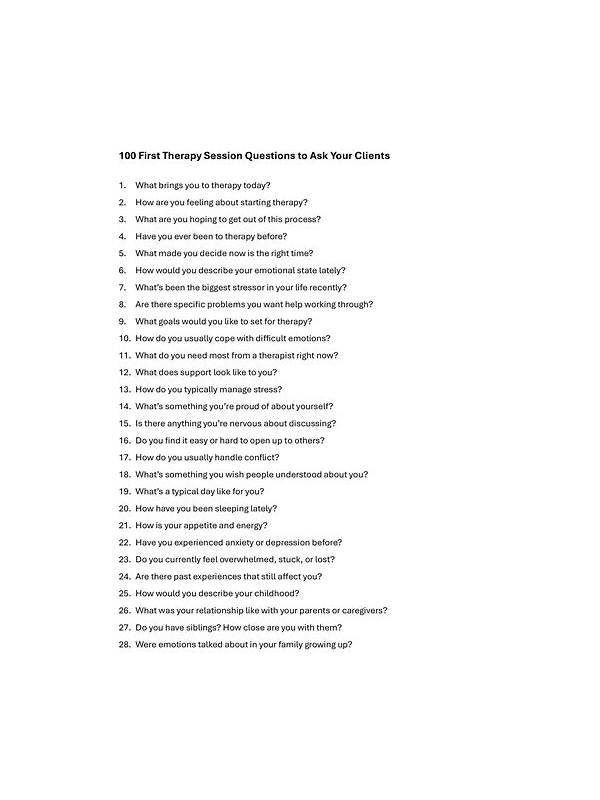
The first minutes of a rummy session often determine its tone. Without a clear starting point, players can drift between practice, competition, and recovery from an earlier result. Opening questions create a small pause for deliberate choice.
Ask what you are here to do. Is the session for learning a rule, practicing discards, enjoying a short game, or entering a competitive format? One session can include several aims, but choose a primary one. If learning is the aim, a surprising loss may still provide useful information.
Ask which rules apply. Confirm the variant, scoring, turn time, declaration requirement, and treatment of jokers or ties. This question protects you from carrying assumptions from another table. Keep the answer visible if the interface makes it easy to forget.
Ask how long you will play and what will end the session. A time limit is helpful, but also choose an exit signal: repeated frustration, loss of focus, a technical problem, or reaching a preset spending boundary. Decide this before the first hand, while your judgment is relatively calm.
Ask what one behavior you will practice. Examples include sorting before drawing, checking the discard’s information, or writing one post-game note. A narrow behavior is easier to observe than a promise to “play perfectly.” Keep the goal compatible with the rules and pace of the table.
At the end, return to the same questions. Did the session match its purpose? Were the rules and controls clear? Did you respect the time and spending boundaries? Did the chosen behavior appear in your decisions? This opening-and-closing loop turns a casual session into a manageable learning cycle without making it unnecessarily serious. These questions can be answered privately and briefly. You do not need to announce a goal to the table or justify a decision to another player. If you are playing with friends, agree in advance whether the session is social, instructional, or competitive so expectations do not conflict. When the purpose changes, end the first session and start a new plan. Clear boundaries preserve enjoyment and make results easier to interpret. They also help you notice when a session has quietly changed from learning to chasing, which is a useful reason to stop. They also help you notice when a session has quietly changed from learning to chasing, which is a useful reason to stop. Clear answers make it easier to begin and easier to stop.