Rummy Tips for Auditing Decisions After Random Draws
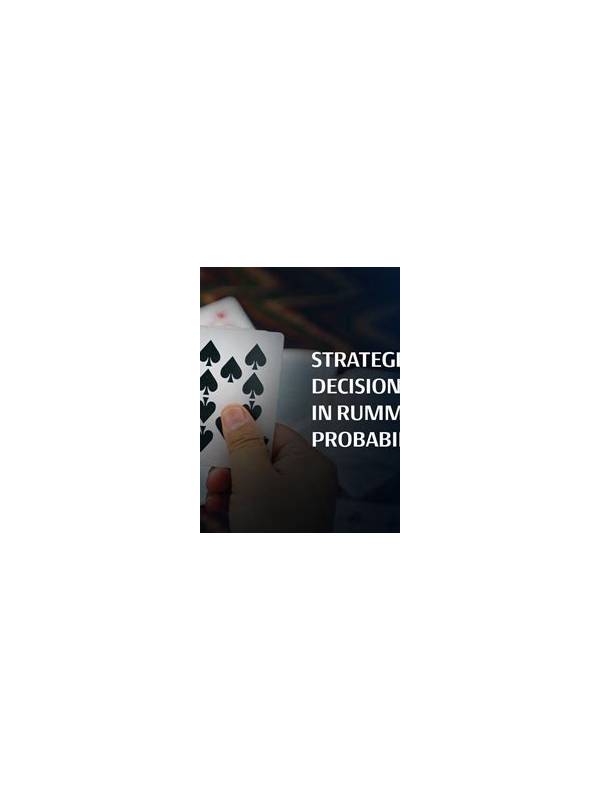
Rummy results combine chance and choice. A favorable draw can rescue a weak plan, while an excellent discard can still be followed by an unlucky sequence. Separating luck from decision quality makes practice more honest and reduces the urge to change strategy after one dramatic hand.
Start by recording what was known when the decision occurred. Include the cards in your hand, visible discards, format requirements, and the alternatives you considered. Do not use information revealed later, such as an opponent’s final hand, to judge an earlier choice. This keeps the review fair.
Next, ask whether the decision improved your legal options. Did it create or protect a valid group, reduce point exposure, or preserve several realistic draws? These are process measures. A decision can be good even if the missing card never arrives. Conversely, a lucky completion does not automatically make a narrow choice sound.
Look for repeated samples. One hand is too small to establish a strategy. Review several similar situations, such as high-card discards or visible-versus-blind draws, and compare what happened. If the same process consistently leaves cleaner hands, it deserves confidence even when individual results vary.
Separate outcome notes from decision notes. Write “completed the run on the next turn” as an outcome, then write “kept a two-way connector with low point cost” as the decision reason. This two-line format prevents the result from replacing the explanation. Over time, you can see whether a process works across different deals.
Watch for emotional conclusions. “I always draw badly” and “that player knew my hand” are difficult to test. Replace them with observable statements: “I kept a narrow plan for four turns” or “I discarded a high card without checking the required sequence.” Concrete wording creates a possible adjustment.
Finally, protect your perspective with limits. If a loss makes you want to increase stakes, continue until you win, or chase an explanation, stop and review later. Learning requires a calm enough state to distinguish evidence from frustration. Chance will remain part of the game, but a disciplined review can make your decisions more consistent without pretending to control the deal.
It can help to use confidence labels in your notes. Mark a decision as high confidence when the rules and hand structure strongly support it, medium when two options were close, and low when information was missing. Review low-confidence choices for learning, but do not treat them as errors automatically. This keeps the review focused on improving judgment rather than eliminating uncertainty from a random game.