Rummy Tips: Count Card Connections Instead of Card Values
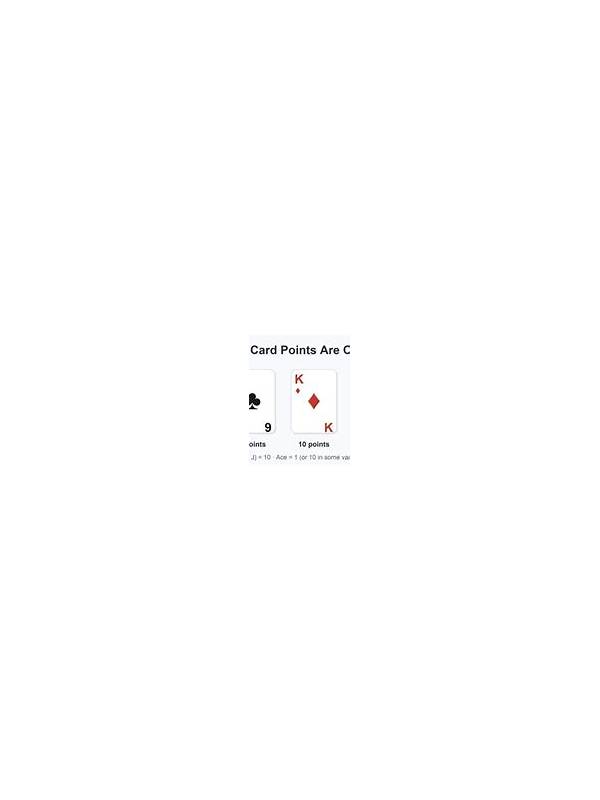
Card values matter when a round ends, but they do not tell the whole story while you are building a hand. A high card may be close to a useful sequence, while several low cards may be stranded. A practical way to judge a hand is to count connections: the number of realistic melds each card can support.
Begin with a quick map. For every ungrouped card, ask whether it can join a same-suit sequence in one or two directions, a same-rank group, or both. You do not need exact probabilities. A card that has several plausible partners is connected; a card with no visible partner is isolated. This map reveals which cards are doing useful work even before they belong to a completed meld.
Next, notice overlap. Suppose one card can help two different routes, but both routes require the same missing card. That is weaker than it first appears because the routes are not independent. Count distinct supporting possibilities, not attractive descriptions. A card with two genuinely different routes may deserve patience; a card with two versions of the same hope may deserve a deadline.
Use connection counts alongside risk. A middle card often connects in more directions than an edge card, but it can also be useful to an opponent. A high-value isolated card may be a discard priority even if its printed value is only slightly higher than another card. The best choice depends on improvement, flexibility, and the cost of leaving it in your hand.
After each draw, update only the affected cards. If you draw a card that completes a pair, reassess the pair and any cards that depended on the old route. Do not rebuild the entire map every turn. A small update is faster and helps you preserve the broader shape of the hand.
This approach is particularly helpful when several cards have similar values. Instead of asking which card looks least important, ask which card has the fewest credible jobs. A low card that can join two routes may stay. A medium card that has waited through multiple draws without improvement may leave. The decision becomes evidence-based rather than emotional.
Connection counting is not a replacement for knowing the rules or watching discards. It is a compact thinking tool for the middle of a hand. By separating value from usefulness, you can keep cards that are flexible, release cards that are stranded, and make each draw answer a specific question.
With practice, the map becomes quick. You may notice that a card has lost its last connection before you even sort the hand. That early recognition creates room for better draws and reduces the temptation to keep a card merely because its printed value looks harmless.