Rummy Tips: Evaluate an Isolated High Card Fairly
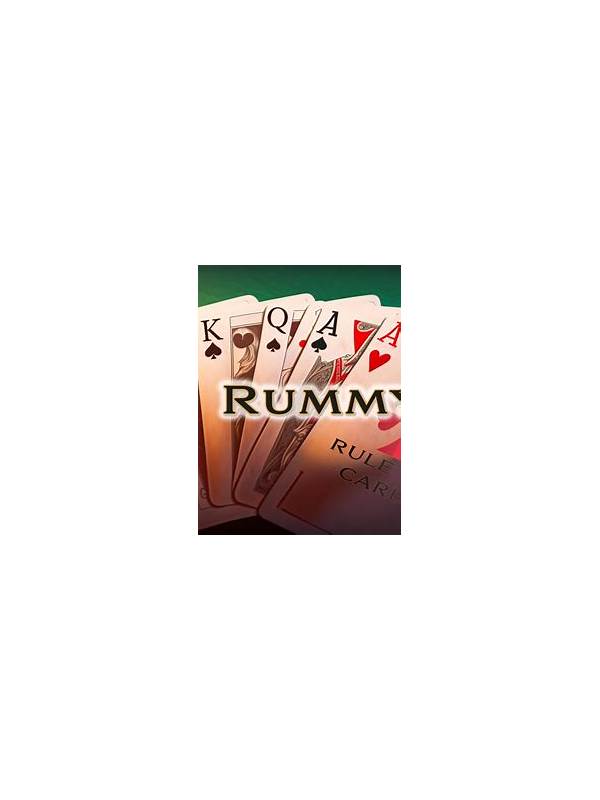
An isolated high card is often a natural discard candidate, but “often” is not “always.” Its value depends on the rest of the hand, the rules, the visible cards, and the cost of replacing it. A fair evaluation avoids both fear and habit.
First check whether the card has a realistic second use. Can it join a same-rank group? Does it connect to a nearby card in its suit? Is one of those partners already visible in the discard pile? A king with no supporting cards is different from a queen that can connect on either side. Describe the opportunity specifically; vague hope is not a route.
Next check the penalty. High cards can matter more when an opponent declares, but some formats score them differently. Confirm the scoring rules before applying a general strategy. A card’s cost is also affected by how many other weak cards you hold. Discarding one high card may be less urgent if another card is both higher cost and less connected.
Consider information. If taking or keeping the card tells you something about the table, that information may have value, but do not exaggerate it. A player’s discard does not prove what they hold. Public evidence remains partial.
Finally, compare the card with your actual alternatives. The right question is not “Is this high card bad?” It is “Which card leaves the most legal, recoverable hand after this turn?” A connected medium card may be more important than its points suggest. A high card may be worth one more turn when it is the only bridge to a promising group.
Review the decision after the hand without judging it solely by the result. If the high card was discarded with sound evidence and no useful route, the choice can be good even if the matching card appeared later. Strategy improves when you evaluate the quality of the decision at the time, not only the luck that followed.
Also consider the table phase. An isolated high card may be tolerable while you are gathering information, but less attractive when opponents appear close to finishing. Conversely, discarding it immediately can reveal your priorities or remove a card that later becomes a useful anchor. Reassess rather than applying a fixed ranking forever. The same test works for medium cards that have become isolated. High value is one factor, not the entire decision. Connection, flexibility, and the likely cost of waiting should all appear in the comparison.