Rummy Tips: Judge a Draw by Its Follow-Up Cards
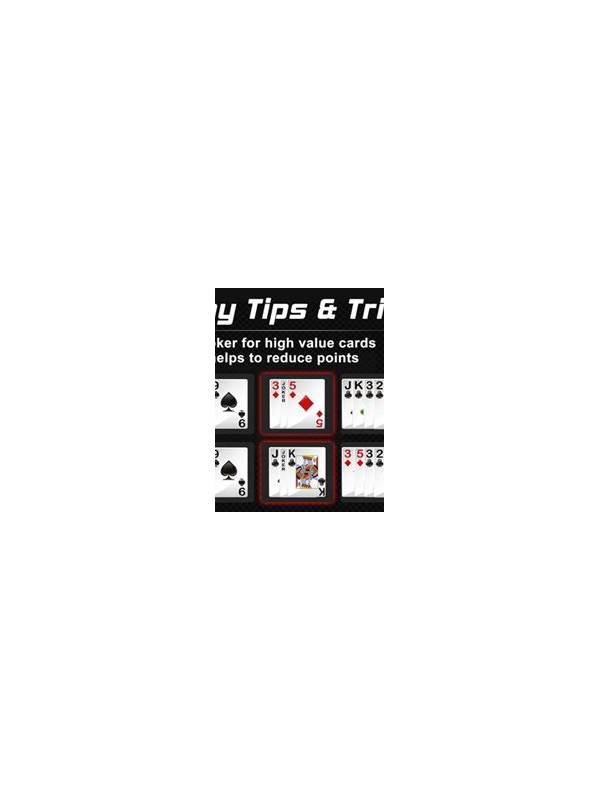
A draw can look helpful because it matches one card in your hand, yet still leave you with a narrow plan. Judging the follow-up cards adds one level of depth without requiring complicated probability calculations. You ask what useful cards could improve the new structure next, then compare that route with the alternatives already available.
Begin with the immediate connection. Does the drawn card create a pair, extend a sequence, or satisfy a rule requirement? Name the connection precisely. “It looks close” is too vague to guide a discard. If the card creates no clear role, it may be a temporary hold rather than an improvement.
Then list the next helpful links. An open-ended sequence may have two natural extensions; a closed gap may have only one. A pair may welcome two cards of the same rank, while a set plan can be blocked if too many matching cards are already visible elsewhere. This is not a prediction of what will be drawn. It is an inventory of possible follow-ups.
Compare the follow-up list with the cost of holding the card. A high card that needs one precise link may be worse than a low card that supports several ordinary routes. Also check whether the new route competes with an essential pure sequence. A draw is not automatically good because it reduces the number of loose cards.
Give the plan a review deadline. If the follow-up cards do not appear after a reasonable number of turns, release the commitment and reassess. The deadline prevents a promising draw from becoming an emotional attachment. In practice, this method keeps attention on flexibility and rules while still allowing a useful new card to change the hand. Follow-up analysis is particularly useful after a draw that looks dramatic. A joker, a matching rank, or a middle connector can change the visual shape of the hand, but the next useful cards may remain scarce. Ask whether the card improves one route or creates several new obligations. If it only makes the hand look fuller, keep the label “temporary” and avoid sacrificing a confirmed structure too quickly. The follow-up test also protects against overvaluing a card because it has just arrived. New cards attract attention, but attention is not the same as usefulness. Give the card a role, a possible continuation, and a review point. If it cannot pass those tests, it may be better treated as a discard candidate.