Rummy Tips: Use a Stoplight System for Hand Decisions
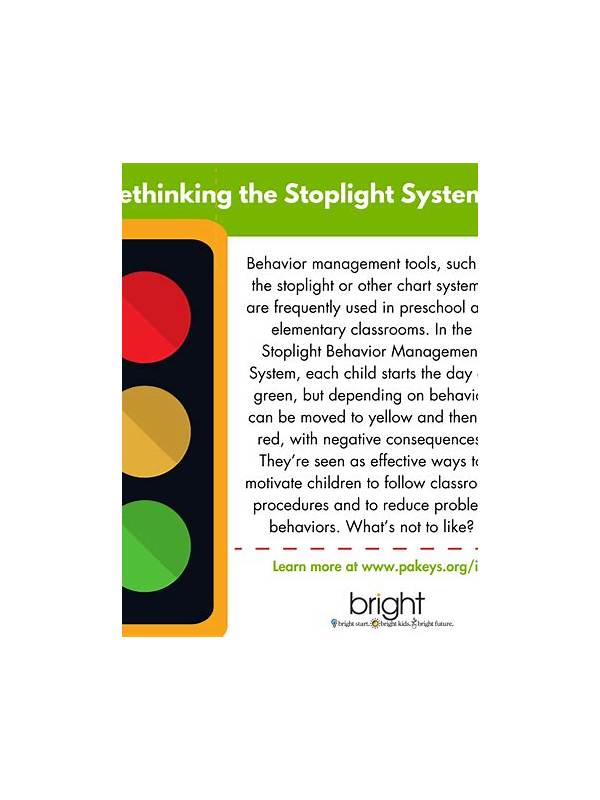
When a rummy hand becomes crowded, every card can look equally important. A simple stoplight system gives each group a quick status. Green means the group is reliable and supports a valid route. Yellow means it is promising but conditional. Red means it is unsupported, costly, or nearing the end of its useful trial.
Start with green groups. These are not necessarily complete melds; they are structures with a clear role under the rules. Keep them visible and avoid breaking them without a specific reason. A green group can still be reassessed if new information changes the hand, but it should not be discarded casually.
Yellow groups need a deadline. They may be pairs, one-gap runs, or flexible cards that could serve several routes. Their value depends on what arrives and what the rest of the hand needs. When a yellow group receives no support across a planned checkpoint, consider changing its status. Yellow is a reminder to observe, not a permanent invitation to wait.
Red cards or groups deserve immediate attention. They may be isolated high cards, narrow routes with missing connectors, or holds that block a required structure. Red does not always mean discard at once; sometimes a red card is temporarily protected because the next action is constrained. It does mean the card should have a clear justification if it stays.
The system is useful because it prevents a common error: treating possibility as proof. A card that might join a group is yellow, not green. A group that has worked for several turns without improvement may turn red even if it originally looked promising. Status follows current evidence, not how long you have owned the cards.
Apply the colors after a draw, after a major discard becomes visible, and before an endgame decision. You do not need to announce them or use physical markers. A quick mental label is enough. If the interface rearranges cards automatically, pause to restore the statuses rather than trusting visual order to show strategic value.
The stoplight system is a guide, not a rigid rule. A green group may hide a high opportunity cost, and a yellow group may be worth keeping when it shares cards with a stronger plan. Use the labels to ask better questions: what makes this group green, what would turn yellow into red, and what evidence would justify a switch? Those questions make a busy hand more manageable without removing judgment from the game.