A Simple Rummy Bankroll Notebook for Clearer Decisions
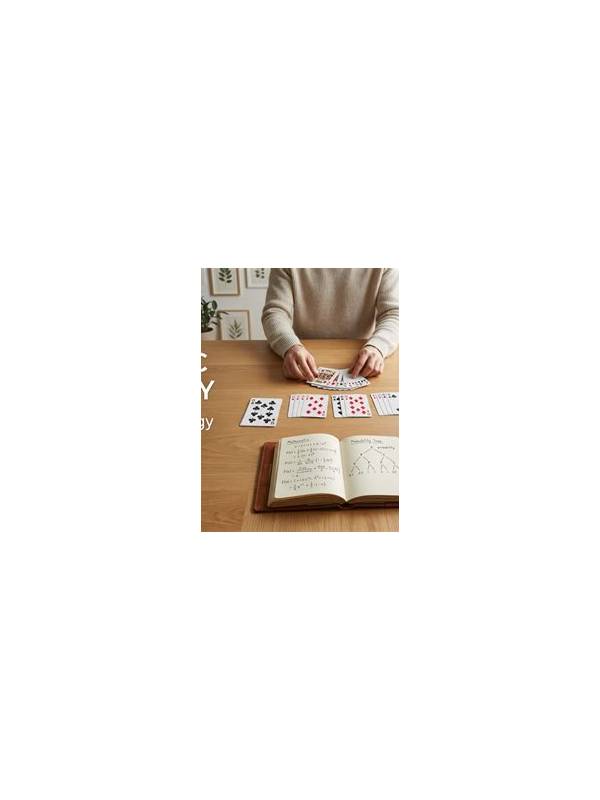
Money decisions become easier when they are visible. A simple bankroll notebook does not predict cards or guarantee results, but it can show whether a session fits your personal limits. The notebook can be a paper page, a spreadsheet, or a private note on your phone. Its purpose is observation, not pressure.
Start with a session budget decided before opening a table. Write the amount, the date, and the maximum time you intend to play. Keep this figure separate from rent, bills, savings, and other necessities. If a platform uses chips or points, record the real-money value as well, because virtual balances can make spending feel less concrete.
After each session, record the starting balance, ending balance, number of games, and any deposits or withdrawals. Add a short note about your state of mind. Were you calm, tired, rushed, or trying to recover a previous loss? The emotional note may explain a decision better than the result does. A winning session can still contain risky habits, while a losing session can follow a disciplined plan.
Review the notebook weekly rather than after every hand. Look for patterns such as longer sessions late at night, larger entries after losses, or frequent play when distracted. These are useful signals for changing routines. Do not use the record to chase a target or prove that you must continue. A negative result is information, not an invitation to increase the budget.
Set practical stop rules alongside the notebook. You might stop when the time limit arrives, when the planned budget is used, or when concentration drops. Record the reason for stopping. If the platform offers deposit limits, cool-off periods, or self-exclusion tools, consider using them when your own rules are difficult to follow.
The best notebook is brief enough to maintain. Five minutes of honest recording can provide more clarity than a complicated system filled with guesses. Treat the record as a boundary tool: it helps you decide when to begin, when to pause, and when a session no longer belongs in your day. Use consistent labels so comparisons remain meaningful. Record whether a result came from a single hand, a deal, or a longer event, and note any bonus or fee separately from the game result. Do not compare unlike formats as though they measured the same skill. A notebook is most useful when its categories stay stable from week to week.
If another person helps manage household finances, keep your gaming boundary compatible with that arrangement. Clear limits and honest accounting make the notebook a support for responsible recreation rather than another source of stress.