A Post-Game Rummy Review That Takes Ten Minutes
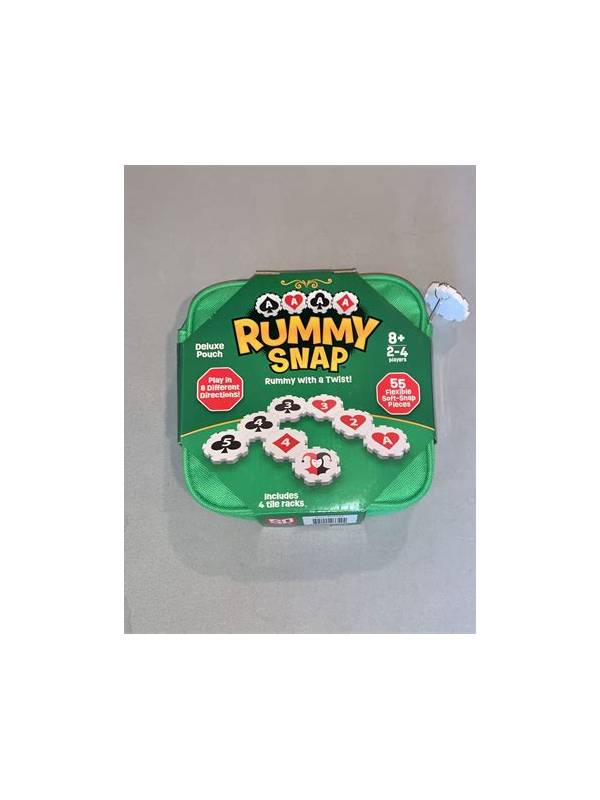
Reviewing a rummy game is most useful when it is short and specific. You do not need to reconstruct every draw. Set a ten-minute timer after the session and examine only a few turning points. The goal is to learn about decisions, not to replay the hand until the result feels different.
Begin by writing the final outcome and the hand’s main objective. Did you need to build a sequence, reduce points, or protect a lead? Then identify the first moment your plan changed. Perhaps a useful discard appeared, an opponent declared, or a promising group stopped developing. Naming the moment prevents the review from becoming a vague statement such as “I played badly.”
Choose three decisions. For each one, record the cards you could reasonably see at that time, the option you chose, and one alternative. Do not use cards revealed later as if they were known earlier. This keeps the review fair. Ask whether your choice improved flexibility, reduced penalty risk, or simply followed a habit.
Separate process from luck. A sound discard can be followed by an unlucky draw, and a poor move can occasionally work. Judge the information and reasoning available when the move was made. If you cannot tell which choice was better, mark it as uncertain and look for a similar situation in a future practice game.
Finish with one adjustment for the next session. It might be “check high-value loose cards after each draw” or “pause before taking a visible discard.” One adjustment is easier to remember than a long list of corrections. Write down a stop condition too, especially if the review shows rushed or emotional play.
Keep reviews private and factual. Do not share account screenshots that expose names, balances, or personal identifiers. Over time, several ten-minute reviews can show patterns that a single result hides. If the process starts feeling like self-criticism, reduce the frequency or switch to free practice. Learning should make play clearer, not heavier. Keep the review evidence-based by separating facts from hypotheses. A fact might be that a card was visible in the discard pile; a hypothesis might be that an opponent was collecting its suit. Mark the second statement as uncertain. This habit makes future reviews less likely to rewrite the hand around the final result. If several decisions were rushed, review sleep, noise, notifications, and session length before studying technique. Changing one condition may improve decisions more than memorizing another pattern.