When to Split a Nearly Complete Rummy Meld
A nearly complete meld feels valuable because it is easy to imagine the missing card. That imagination can make a player protect the group long after another arrangement has become stronger. Splitting is not automatically good, but it is a useful option when the current group has only one narrow path and another card offers several connections.
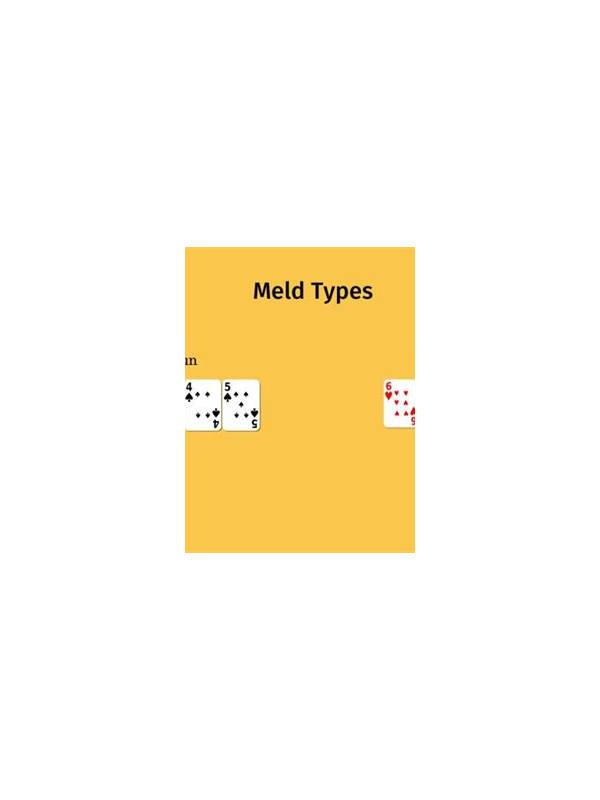
First identify what the group actually needs. A three-card sequence may require one of two neighboring ranks, while a pair may need one of several cards of the same rank. Compare that need with the rest of the hand. If keeping the group blocks a connector that can improve two other cards, the apparent progress may be costing flexibility.
Do not split a confirmed pure sequence casually. It may satisfy a required condition and can be difficult to rebuild. Instead, examine incomplete groups and duplicate-value cards. A pair with no supporting plan is often less useful than a card that links two possible sequences. The decision depends on table rules, visible discards, and how many turns remain, so there is no universal threshold.
Use a two-question test. What is the best realistic improvement if the group stays intact? What are the best two improvements if it is broken? Include the cost of the discard you will need after drawing. If the second answer creates multiple live routes rather than one attractive fantasy, splitting may be justified.
After splitting, simplify the hand immediately. Keep the new strongest structure visible and discard the least useful leftover. Avoid repeatedly rebuilding the same group because a single missing card feels close. Good rummy decisions manage possibilities, not just appearances. A nearly complete meld is evidence of progress, but flexibility and legal requirements still deserve priority.
The table’s stage matters as well. Early in a hand, flexibility may be worth more because several draws remain. Late in a hand, a narrow but realistic completion can be reasonable if it preserves required groups and reduces penalty exposure. Watch the discard history before assuming that a needed card is still available. If most copies are visible elsewhere, the group is not nearly as promising as it first appeared.
When unsure, compare the split with a safe discard. Sometimes the right answer is neither to protect nor to break the group, but to remove a different loose card and wait for more information. A disciplined choice leaves room for the next turn without pretending to know the future.