Rummy Table Rotation and Changing Opponents
Some rummy events keep players at one table, while others rotate seats or combine players after a round. A new table changes the visible history and sometimes the pace. Treating the move as a fresh environment helps you avoid carrying unsupported assumptions from the previous group.
When rotation occurs, confirm the new format and score first. Check whether the result from the earlier table has been recorded and whether the next round has the same hand size, timer, and scoring. A transition screen may contain important information, so read it before clicking into the table. If the table looks frozen, wait for the event state to load.
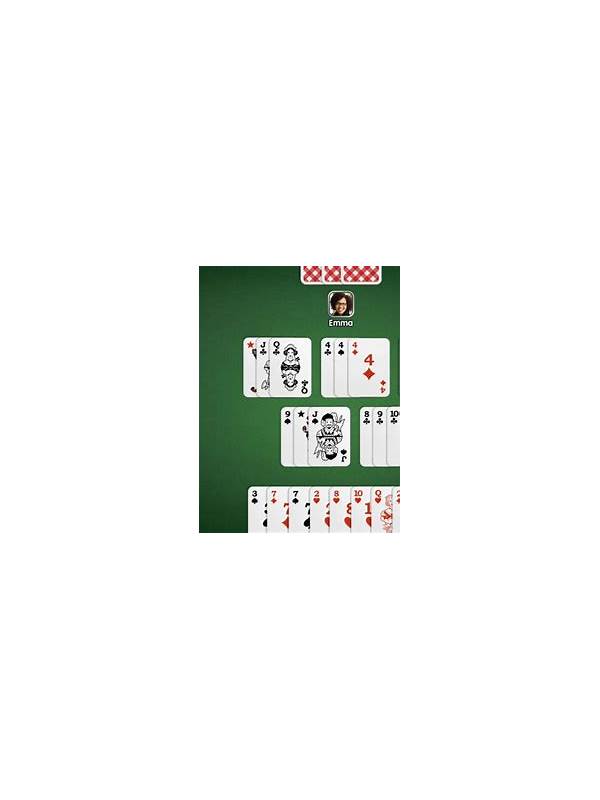
Relearn the layout quickly. Identify the active player marker, draw and discard areas, timer, and help control. Even when the service is the same, a table may display fewer seats or a different event panel. A few seconds of orientation can prevent an accidental action when the pace increases.
Reset opponent assumptions. A player’s choices at the former table do not reliably describe how that person or a new opponent will play in the next hand. Observe only the actions visible in the current round, and distinguish facts from guesses. This keeps your attention on legal groups and useful information rather than a story about someone’s style.
Use rotation as a natural review point. Check your time, battery, and spending limit before joining the next table. If the move has made the session too tiring or confusing, pause or leave according to the official procedure. Changing tables is a structural event, not a demand to continue. A deliberate reset helps you make decisions that fit the new conditions.
If rotation happens during a multi-round event, make a small note of the completed round and the score before continuing. This protects against confusing a table move with a new registration or a fresh event. Keep observations about the current table separate from older notes. You may notice a different pace, but that is not evidence that the rules changed. When in doubt, read the event panel and ask official support at a safe stopping point. Rotation should change your orientation, not your privacy or spending standards. A useful rotation note can include only the round number, current score, and the new table identifier. Avoid recording guesses about private player behavior. If the event changes its structure, rely on the updated notice and keep the old note marked as historical. This creates continuity without pretending that earlier observations remain valid.