Rummy Guide: Choose a Target Meld Before the First Draw
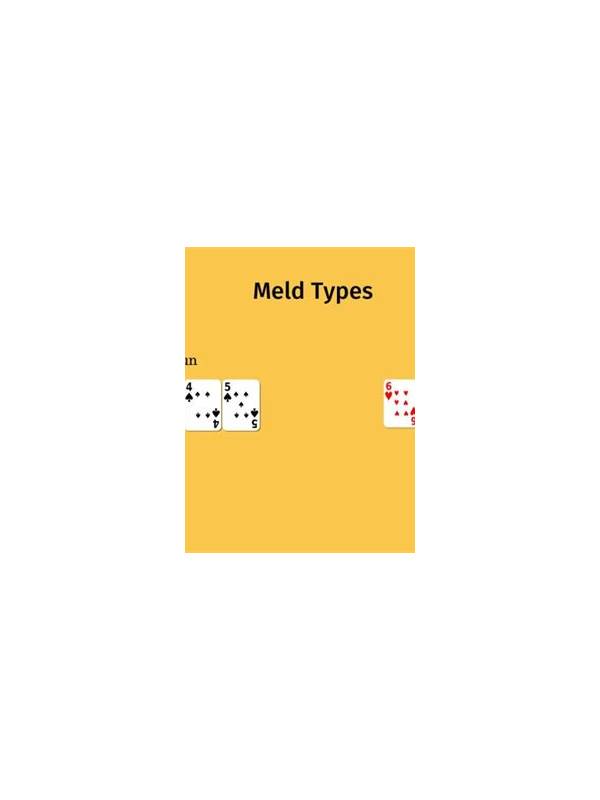
The first few turns of a rummy hand can feel directionless because every card seems to suggest a different possibility. One pair may invite a set, while two neighboring cards may point toward a run. Instead of trying to solve the whole hand immediately, choose one target meld to inspect first. This creates a working direction without forcing you to keep it forever.
Start by scanning for the strongest natural connection. A natural sequence with three cards is usually a better first target than an isolated pair because its structure is already visible. If no sequence exists, look for a pair with useful surrounding cards. A pair is not automatically a commitment; it is simply a question worth testing over the next few draws.
Write the target mentally in a precise form. For example, do not say “build something with the sevens.” Say “I am watching for the missing seven of the same suit to complete this run,” or “I will keep one more card that improves this pair.” Specific wording makes later decisions easier because you can compare a new card with a clear requirement.
At the same time, mark a backup route. A backup might be another two-card sequence, a second pair, or a low-risk card that can join several combinations. The backup should not compete for every slot in your hand. Its purpose is to prevent tunnel vision when the first target stops improving.
Use a short review after each draw. Ask three questions: Did the target gain a card? Did the new card create a better target? Is the backup still affordable? If the answer to the first two questions is no for several turns, release the original idea. Waiting for a perfect card is often more expensive than accepting a clean new direction.
This method also improves discards. A card that does not help the target, backup, or hand safety becomes easier to identify. You are not discarding because it looks ugly; you are discarding because it has no current job. That distinction keeps the hand flexible while reducing random choices.
The goal is not to predict the final melds from the opening deal. It is to begin with one testable idea, one reasonable alternative, and a clear moment for reconsideration. A target meld gives your attention somewhere useful to go, while the review questions ensure that the plan remains adaptable.
This routine is also useful for learning a new variant. The exact meld rules may change, but the habit of identifying a target, naming the required improvement, and setting a review point remains dependable. It keeps the opening analytical without making it rigid.