Rummy FAQ: Why Can a Safe Discard Still Be Wrong?
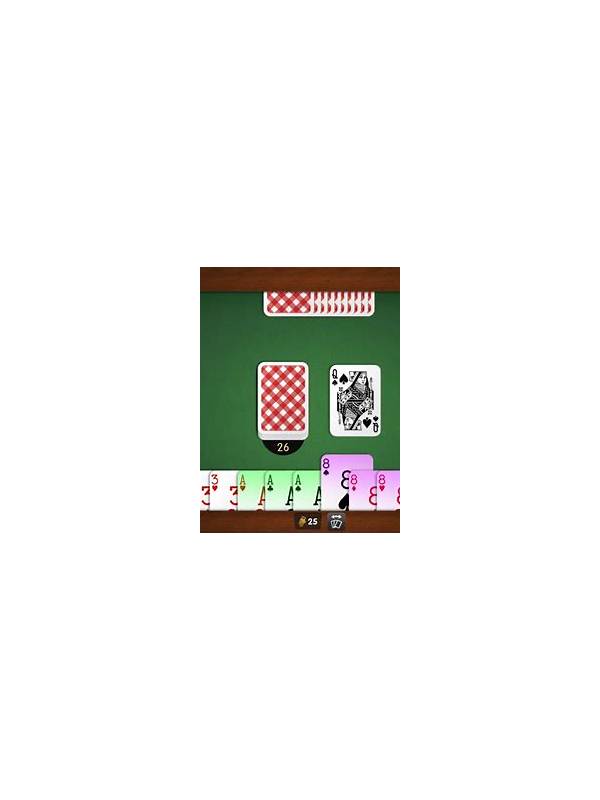
What is a safe discard? Usually it is a card that seems unlikely to help an opponent or that carries little value in your own hand. Safety is contextual, however. A card can be low-risk in one position and costly in another.
How can a safe discard be wrong? It may remove the only bridge between two active routes, break a useful pair, or release a card needed for a confirmed group. It may also be safe against opponents but leave your own hand with no practical path to completion. Rummy decisions must consider both sides of that comparison.
Should opponent risk be ignored? No. Opponent risk matters, especially when several cards are equally useful to you. But it should normally be a tie-breaker after checking your hand’s structure. Protecting against an imagined opponent while damaging a clear route is often an expensive exchange.
How do you evaluate the choice quickly? Ask three questions: What group loses support if this card leaves? What realistic cards could repair that loss? Is there another discard with a similar opponent risk? If the card has no important role and an alternative exists, it may be the better release even if both look safe.
Does a high card automatically become the wrong discard? No. High cards can be appropriate discards when they are isolated and expensive to retain. Printed value is only one factor. A low connector may be more important than a high singleton if the connector supports a live route.
What should practice focus on? After a hand, compare the discarded card with the best alternative you identified at the time. Ask what changed in your structure, not simply whether the opponent later used the card. This keeps the review evidence-based and helps distinguish a genuinely poor discard from an unlucky result.
When in doubt, prioritize your own legal completion path and use opponent information as a secondary consideration. The goal is not to find a discard that is harmless in every imaginable situation. It is to choose the card whose release leaves your hand with the strongest practical structure under the rules you are using. That principle remains useful whether the table is casual or competitive.