Rummy Guide: Choose a Hand Layout That Matches Your Goal
There is no single best way to arrange a rummy hand. Sorting by suit, rank, group, or role can each help at a different moment. The useful layout is the one that makes the next decision visible. A tidy hand that hides weak dependencies is less helpful than a rough arrangement that shows what must be solved.
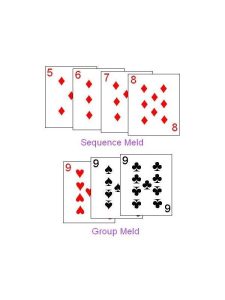
Use a group layout when you are checking a possible declaration. Place cards into confirmed groups, active candidates, and unassigned cards. This makes missing requirements easy to spot. Keep jokers visibly separate until you have decided what role they serve. A group layout is especially useful late in the round because it supports verification.
Use a suit layout when you are exploring sequences. Arrange cards by suit and rank so gaps become visible. This can reveal that two cards are close in one suit while a similar-looking pair in another has no practical neighbor. Suit layout is also useful when considering whether a card has more than one sequence route.
Use a role layout when the main question is what to discard. Mark cards as anchor, connector, flexible, or deadwood. Role labels prevent the hand from being dominated by visual clusters that are not actually strong. They also make a post-game review easier because you can explain why a card was kept.
Avoid changing layouts every turn without a reason. Re-sorting can consume time and make a weak plan feel new. Choose a layout at the start, then change it when the decision type changes: exploration to commitment, or commitment to verification. If the interface sorts automatically, confirm what order it uses before trusting the visual groups.
Accessibility matters. Use larger text, adequate contrast, and suit cues that do not rely only on color. If a hand becomes difficult to read, reduce distractions rather than rushing. A layout is a thinking aid, not a test of speed. The best arrangement is the one that reduces ambiguity, preserves attention, and makes the next legal action easier to identify.
Before joining a timed table, test the layout in a practice setting. Check that cards remain distinguishable after sorting, that the selected-card highlight is obvious, and that important controls are not hidden by a notification or a small screen. A few minutes of preparation can prevent an interface problem from being mistaken for a strategy problem.
If the layout still causes errors, choose a slower practice table or adjust the device before playing for stakes. Familiarity with the display is part of preparation.