
Rummy Comparison: Learning From Replay Notes Versus Memory
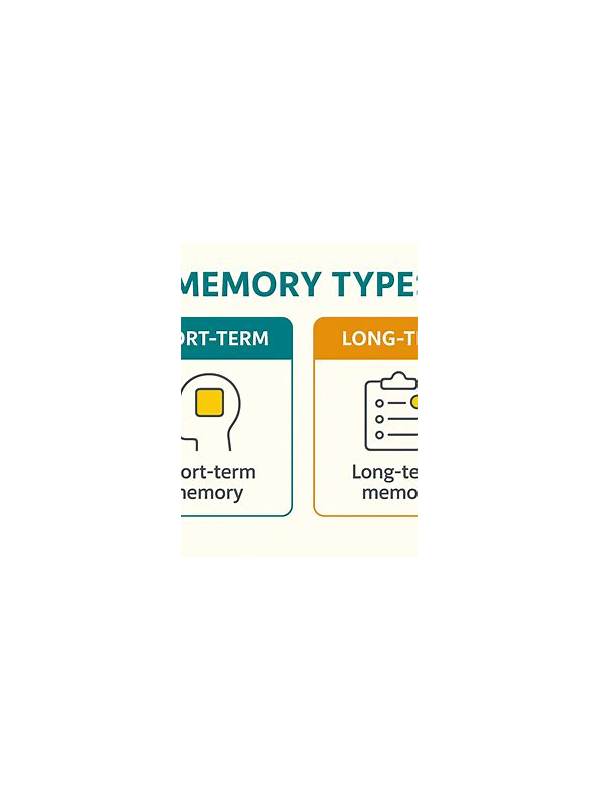
After a rummy round, many players rely on memory to explain what went wrong. Memory is convenient and can capture the emotional shape of a game, but it often highlights the final mistake and forgets the earlier choices that created it. Short replay notes provide a more reliable basis for improvement without requiring a full transcript.
Memory is useful immediately after a round. You may remember a moment when a discard changed the hand, a draw created confusion, or a time limit affected your thinking. That immediate impression is worth recording. Its weakness is that it tends to favor dramatic events. A quiet choice made several turns earlier may have reduced your options, yet the later missed draw receives all the attention.
Notes work best when they stay specific. Record the starting plan, the first major change, two important decisions, and the final hand shape. For each decision, write what you saw, what you expected, and what happened next. Keep facts separate from conclusions. “I kept a single connector for four turns” is an observation; “I played too cautiously” is an interpretation that can be tested later.
A replay note also makes comparisons easier. If you remember choosing between a pair and a connector, describe the alternatives rather than recording only the choice you made. Ask which option had more improvement routes, which card had a clearer role, and what information was visible at the time. This prevents hindsight from making the correct decision look obvious after the result is known.
Memory still has a place in learning. It reveals recurring feelings: rushing near a declaration, becoming attached to a promising pair, or losing focus after a bad draw. Treat those feelings as signals to investigate, not as proof that a particular strategy is wrong. Pair the feeling with one observable action and one possible adjustment for the next practice session.
Use a simple review limit so analysis does not become another source of stress. Five minutes and five lines can be enough. At the end of several rounds, look for repeated patterns rather than isolated outcomes. If the same type of narrow draw appears in your notes, create a rule for when to abandon it. If memory repeatedly blames the last discard but notes point to an earlier commitment, trust the evidence and revise the story. The aim is a clearer decision process, not a perfect reconstruction of every card.


