Rummy How-To: Make a Three-Line Plan for a Difficult Hand
When a hand feels chaotic, writing a full analysis can consume the turn. A three-line plan is a compact alternative. It describes what is already useful, what the next draw or discard is testing, and what you will do if the test fails. The plan can be written mentally or on an approved personal note, depending on the table rules.
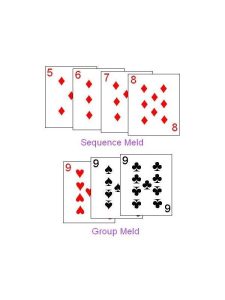
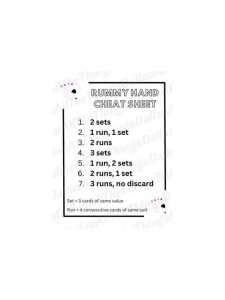
Line one is the current structure. State the strongest confirmed group and the most credible developing route. For example: “One secure sequence; one set route with two matching ranks.” Avoid describing every possible combination. This line creates a baseline and helps you recognize when the plan is actually improving.
Line two is the next test. Name the evidence that would support a route: a neighboring rank, a matching card, or a safe way to reduce a high-point card. Be specific about what counts as support. “I hope for a good card” is not a test. “A card that completes the sequence or gives the connector a second role” is a test you can evaluate.
Line three is the fallback. Decide what happens after a miss. You might release the highest-risk isolated card, protect the secure sequence, or change to a different group route. The fallback should be legal and practical, not an ideal arrangement that requires another perfect draw.
Use the plan for only a few turns. Update it when the test succeeds, fails, or becomes irrelevant because of new table information. Do not keep an old fallback after the hand has changed. The plan is a temporary map, not a promise.
This method also supports learning. After the round, compare each line with what happened. Was the current structure accurately identified? Was the test meaningful? Did the fallback protect the hand or merely postpone a decision? Three lines are enough to reveal whether the problem was reading the hand, setting a useful test, or choosing a realistic alternative. That clarity is valuable in both practice and live play.
If you cannot form the three lines, that is information too. It may mean the hand needs sorting, the rules are unclear, or the timer is creating avoidable pressure. Solve that process problem before making an ambitious move. A simple plan built from verified facts is more useful than a detailed plan built from confusion.
The three lines can be revised in seconds after a draw. Keep the wording concrete so the next action remains visible even when the hand changes.