Rummy Safety: Keep a Session Log Without Recording Sensitive Data
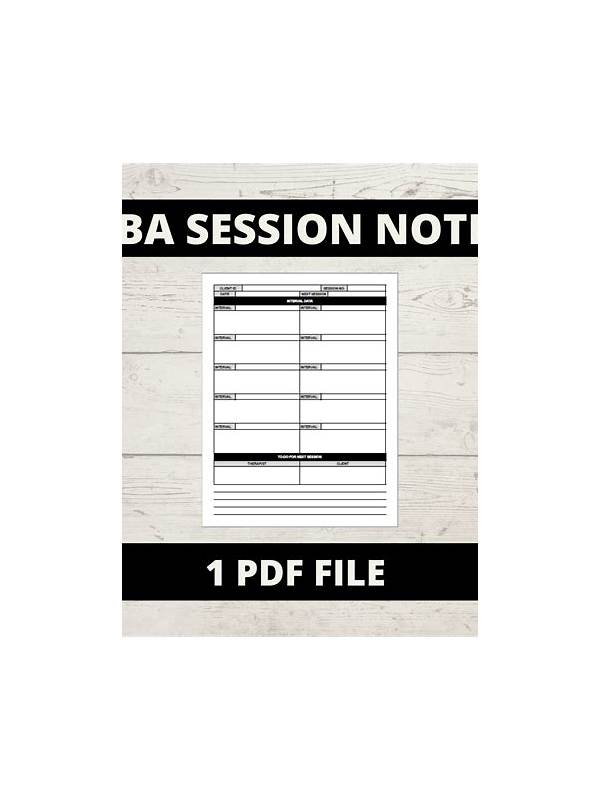
A short session log can reveal patterns that memory misses, such as repeatedly holding an expensive isolated card or playing beyond a planned stopping point. The log should support reflection, not become a record of sensitive account information. Good notes describe decisions and feelings without exposing credentials or financial details.
Before writing anything, decide what not to record. Never include a password, one-time code, recovery phrase, payment number, full identity document, or private support conversation. Avoid screenshots that show account balances, usernames, notifications, or transaction references. If you use a device shared with others, choose a protected note location and lock it when finished.
Keep the useful part small. Record the date, approximate session length, game format, and one or two decision observations. You might write “held a narrow sequence too long” or “stopped when attention fell.” If you track outcomes, use broad categories such as positive, neutral, or negative rather than exact monetary amounts. The purpose is to identify habits, not to create a second financial account book.
Review the log only at a planned interval, perhaps once a week. Look for repeated process issues: rushing the first discard, ignoring a backup plan, or continuing after frustration. Separate a decision’s quality from its result. A sensible choice can lose, and a careless choice can happen to win. Notes are most valuable when they explain what information was available at the time.
Delete old material that no longer serves a learning purpose, especially if it contains unnecessary context. If you ever share a lesson with someone, rewrite it in general terms and remove dates, handles, screenshots, and any identifying details. A safe log should make your play more deliberate while creating no new path for someone else to access your account or personal information.