
Rummy Safety Guide: Set a Clear Session Stop Point
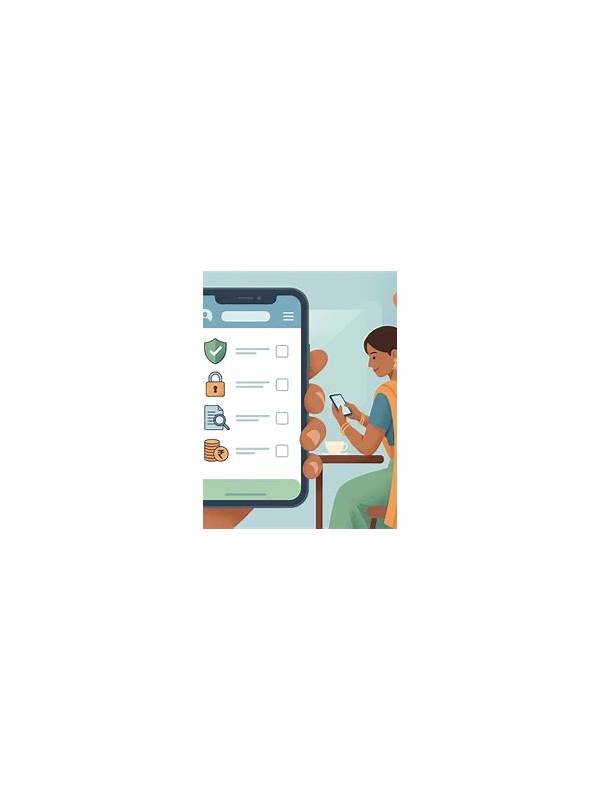
A session stop point is a practical safety tool, not a sign that you expect a poor result. It gives you a decision made while calm to follow when you are tired, frustrated, or tempted to continue chasing an outcome. The point can be based on time, spending, emotional state, or a combination of all three.
Choose the boundary before play begins. A time limit is easy to understand, but include a few minutes for an orderly finish rather than stopping in the middle of an active commitment. If money is involved, keep a fixed session amount separate from essential expenses and never treat a win as permission to raise the limit. Use only funds you can afford to lose under the applicable rules and laws.
Add an emotional trigger. Repeatedly checking losses, playing faster, arguing with the table, or making decisions without reading the hand are signs that attention has changed. A safety rule might require a break after two such signs, even if the clock has not ended. Breaks work best when they include water, movement, and a complete change of focus rather than an immediate return to another table.
Make the rule visible and simple. A note on paper, a timer, or an account limit can reduce the need for willpower. If you play online, review available responsible-play tools and local requirements. Never share payment credentials or account access with another person to extend a session. If gambling feels difficult to control, contact a qualified local support service or a trusted person and step away from play.
Avoid “one more round” reasoning. The next hand has no obligation to repair the previous hand, and continuing while upset often reduces the quality of decisions. A stop point is successful even when you are ahead. Walking away with a planned result protects the habit more effectively than waiting for a satisfying final hand.
After the session, note whether the boundary was realistic. If you regularly move it, make it shorter and add an external reminder. The purpose is not to judge yourself; it is to keep play within a deliberate, enjoyable space where time and money remain under your control.


