Rummy Strategy: Use a Route Count Before Keeping a Connector
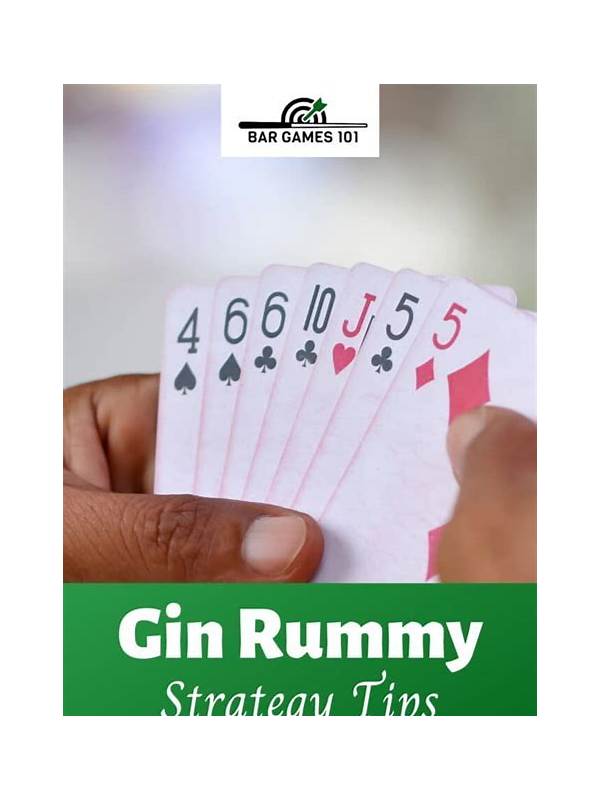
Connectors are attractive because they can become sequences, but not every connector deserves equal attention. A quick route count helps you distinguish a card with several practical improvements from one that only looks promising. The count should be based on the rules and visible information, not on every imaginable future draw.
Take the connector and name the groups it could join. A middle card may connect on either side within its suit, while an edge card has fewer legal extensions. If the card could also complete a required pure sequence or strengthen a second group, note that separately. Do not count a route that would require discarding a group you have already decided to protect unless you are genuinely willing to make that change.
Next apply the visibility filter. If helpful neighboring cards are already visible in the discard pile or in your own hand, the route may be weaker or stronger depending on the situation. Avoid claiming exact odds without a complete, reliable count. The purpose is comparative: a connector with two live routes usually deserves more attention than one with a single speculative route.
Now count the cost of waiting. How many cards must remain in the hand while the route develops? Does keeping it force you to retain a high card, break a useful pair, or delay a required group? A route is not free simply because it has two endpoints. Give it a review deadline based on the number of turns and the urgency of your current structure.
At the deadline, update the count. If no supporting evidence arrived, lower the connector’s priority and choose the discard that leaves the clearest next action. If it gained a second connection, reconsider the entire hand rather than automatically keeping everything. Route counting is a decision aid, not a promise that a card will arrive. It keeps hope proportional to evidence.
Practice the count with open hands away from a live table. Give yourself a fixed number of hypothetical turns and compare two connectors using the same questions. This removes some time pressure and makes the method easier to remember. Later, use a shortened version at the table: name the live routes, note the cost of waiting, and choose a review point. The goal is not to calculate an exact probability; it is to avoid treating all possibilities as equally valuable. Practice the count with open hands away from a live table. Give yourself a fixed number of hypothetical turns and compare two connectors using the same questions. This removes some time pressure and makes the method easier to remember. Later, use a shortened version at the table: name the live routes, note the cost of waiting, and choose a review point. The goal is not to calculate an exact probability; it is to avoid treating all possibilities as equally valuable.