Rummy Tips: Check Sequence Gaps Before Drawing
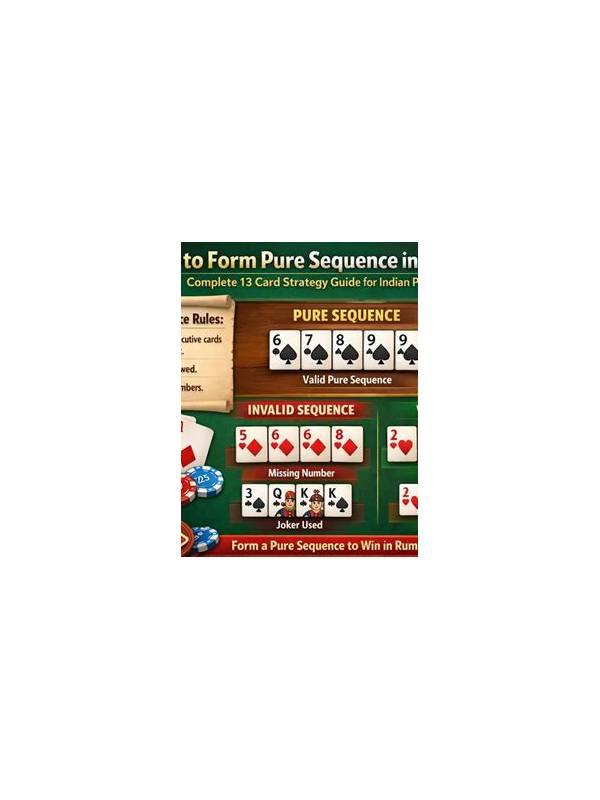
Before taking a draw, spend a moment identifying the gaps in your strongest sequence routes. This does not reveal the next card, but it prevents a vague feeling of progress from guiding the whole turn.
Lay out connected cards in rank order. Mark whether each gap needs one card or several. A pair with a single open end is different from a pair that can extend in two directions, and both differ from scattered cards that only look related because they share a suit. The layout makes those distinctions easier to see.
Separate realistic gaps from decorative gaps. A route requiring one nearby card may be worth protecting. A route requiring multiple precise cards should usually be conditional, especially if it competes with a required pure sequence. Keep a note of the route’s deadline so it does not consume the hand indefinitely.
Compare the gaps with your current groups. If drawing for one route would force you to break a confirmed group, the apparent improvement may be expensive. If it would replace an isolated high card without harming validity, it may be a reasonable target. Always evaluate the whole hand rather than the two cards nearest each other.
Visible discards can adjust your confidence. A known discarded card may make a gap less attractive, while an unseen card remains possible but uncertain. Avoid treating the discard pile as a complete deck count unless you are deliberately tracking known information and understand its limits.
After the draw, update the layout even if the card is not helpful. The new card may create a better route, make a gap redundant, or change which loose card should be released. This update is often more valuable than spending the entire turn regretting the draw.
The habit is quick: arrange, mark, compare, and update. It gives each draw a purpose while preserving the flexibility to abandon a route when the evidence changes. n+If no gap looks realistic, that is useful information too. You may need to protect an existing group, reduce point exposure, or discard a card that has lost its role. Sometimes the best result of the check is recognizing that the hand needs simplification. n+You can practice the gap check with hands from old notes, but avoid judging the original outcome first. Hide the result, identify the routes, and make the discard choice from the information available at that moment. This trains process rather than hindsight and makes the exercise more honest.