Rummy Safety: Pause After a Frustrating Run
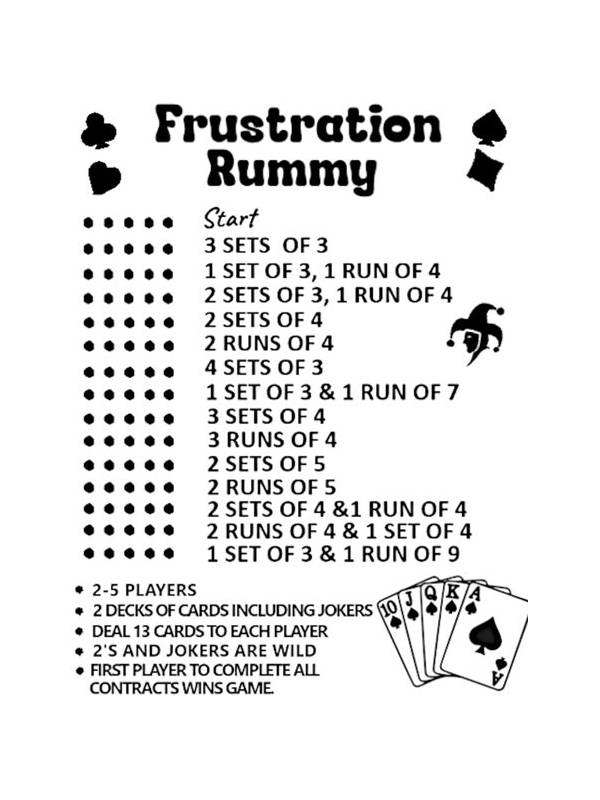
Frustration can change the way a player treats time, money, and risk. A cooling-off rule is a simple boundary decided before emotions become intense. It gives you a clear action when continuing no longer feels like a calm choice.
Choose a trigger that you can recognize. It might be two consecutive hands that leave you angry, repeated urges to increase spending, difficulty concentrating, or the feeling that you must recover immediately. Do not wait for a dramatic moment. Early signals are useful because they allow an easier pause.
Define the action in advance. Close the table, step away from the device, drink water, and take a set break. If money is involved, do not add funds or raise limits during the cooling-off period. A break is most effective when it removes the immediate decision rather than leaving the same tempting screen open.
Make the rule measurable. “I will calm down” is hard to apply, while “I will stop for thirty minutes and review tomorrow” is clear. You can also set a daily time or spending boundary before starting. Treat the boundary as part of the session plan, not as a challenge to defeat after a loss.
During the pause, avoid replaying the hand as proof that the next result must be different. Random outcomes do not owe a correction. If you review anything, write one neutral observation about your process, such as “I continued after losing focus.” Do not turn the note into a plan to chase a result.
Return only if the original conditions still make sense and you can stop without pressure. Otherwise, end the session. If frustration, financial stress, or loss of control keeps recurring, talk with someone you trust or seek local professional support. A game should fit within your wellbeing, not compete with it.
The cooling-off rule is valuable because it removes negotiation from the hardest moment. Decide the trigger, action, and duration while calm, then follow the rule when the signal appears. n+Tell a trusted person about the boundary if accountability helps, but do not share passwords, payment codes, or other sensitive details. Small environmental changes reduce the number of decisions you must make when tired or disappointed. n+If a break does not reduce the urge to continue, extend it or end the session. Repeated inability to follow a chosen boundary is important information, not a reason to make the boundary harsher in the moment. Support and distance from the game are sensible next steps.